Our group has been in Prague for a little over a week now, and today was definitely the most somber and harrowing so far. It was difficult to hear about the tragic, horrible acts that took place in the cities of Lidice and Terezín, but it was also incredibly important. As philosopher George Santayana once said, “Those who cannot remember the past are condemned to repeat it”. The tragedies that took place in these cities are events which I desperately hope will not be repeated in the future.
We started off in the morning with a bus ride to the Lidice memorial and museum, just a short drive from Prague. The cold, fresh air and bright sun contrasted sharply with the dark subject matter we were about to dive into. Once we reached the memorial, we learned how the town of Lidice was destroyed—its inhabitants killed or shipped off to concentration camps—as punishment for the assassination of a high-ranking Nazi official, Reinhard Heydrich. The people of Lidice were in no way responsible for Heydrich’s death, but the Nazis decided that they had to punish someone; to make an example of what happened when one of their leaders was killed. The destruction began on June 10, 1942 and continued until Lidice was burned to the ground.
At the memorial, we were able to see what is left of Lidice: the grounds where the town once stood, the doors to the town’s church, and the rusted town sign. We learned the numbers: by the time the Nazis were finished with Lidice, 340 innocent people were dead. In the museum, we saw the faces and names of every single victim and heard the testimonies of the few survivors. These people were more than just numbers: they were parents, children, siblings, grandparents, friends, and spouses. They were Venceslava Krasova, a young girl who was one of the children killed at Chelmno after being ripped away from her family. They were Josef Dolezal and Josef Nerad: two boys, each barely fifteen years old, killed alongside the men of their town. They were 340 individual lives cut short by a deliberate act of cruelty.

After a quick lunch, we went on to Terezín, the last concentration camp to be liberated in May of 1945. The site was initially built as a prison for political prisoners—mostly Czechs—who resisted the Nazi regime, but by 1940, it had been changed into a concentration camp.
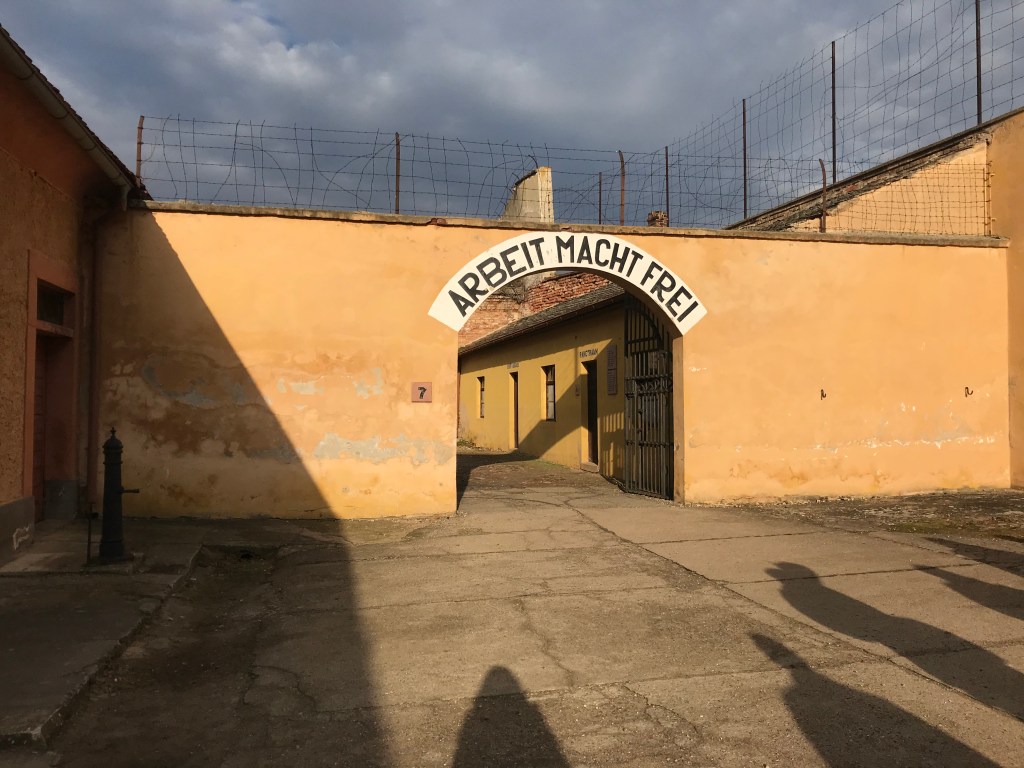
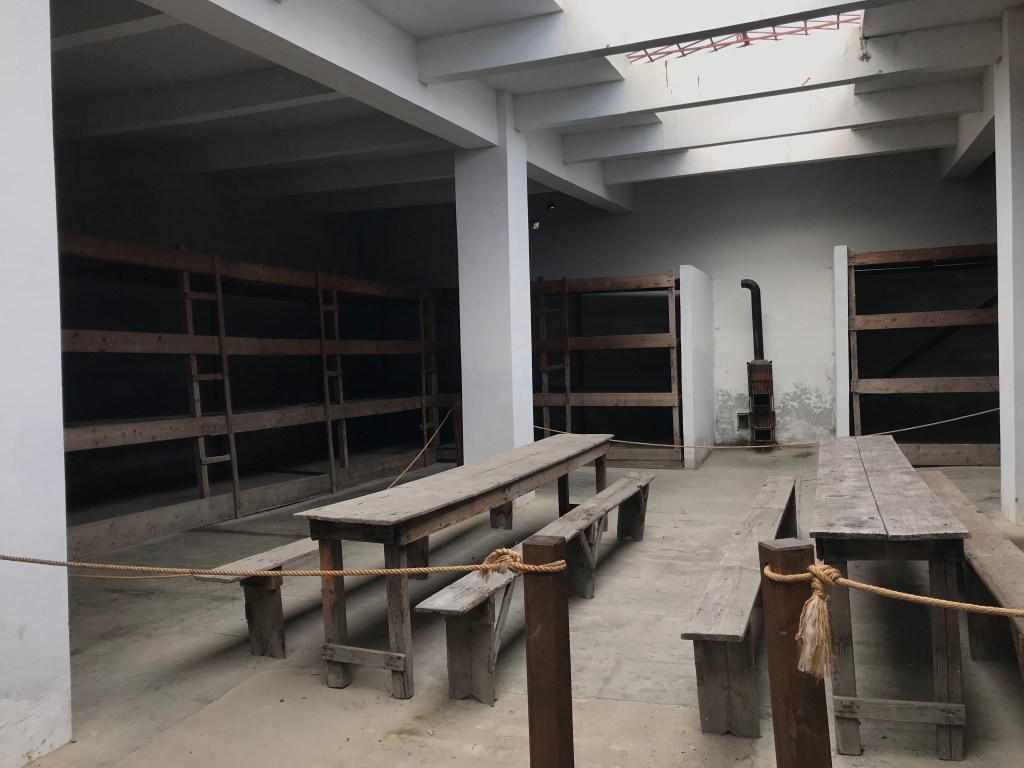
Our guide explained to the group that Terezín, as bad as its conditions were, was better than the other concentration and extermination camps. The Nazis used it as propaganda, to show the rest of the world that life wasn’t so bad for those sent to the camps. Of course, behind the scenes, conditions were awful. The living quarters for prisoners were incredibly overcrowded, infested with lice, and uncomfortably hot/cold, depending on the season. They were underfed, malnourished, and kept in constant fear and discomfort.
Despite the darkness present in these places, there is somehow always hope to be found, through the strength and resilience of the oppressed. After leaving the Small Fortress at Terezín, we went into the downtown area of the city, where we visited Permanent Exhibitions of the Terezín Memorial and the Ghetto Museum. Here, we saw art created by those held prisoner in the Terezín camp: paintings, sketches, poems, music, and more. We also visited a site where the Jewish community in Terezín once managed to keep a secret synagogue in their basement. This room was discovered after the area flooded in the early 2000s, and was determined to be a place where Jews once met to worship in secret.

Overall, I believe I can speak for the group when I say that today was emotionally taxing, but incredibly important. Seeing these sights firsthand makes the history much more tangible and real than it would be by just reading about it. I have a feeling that what we learned and experienced today will stick with us for a long time, even after this trip is over.
 PLU/PSY387 Transitions & Trauma